

A
rchitecture: More Than Just Buildings. In the ever-evolving world of the built environment, architecture and design serve as both functional tools and expressive art forms. Whether it's the skyline of a booming metropolis, the quiet minimalism of a Nordic home, or the revival of ancient construction techniques in modern buildings, the synergy between form, function, and fashion continues to redefine
Key Architectural Styles Today
Architecture is not just about structures—it's about storytelling, culture, and human connection. It merges engineering with creativity, defining how cities breathe and how people feel within a space.
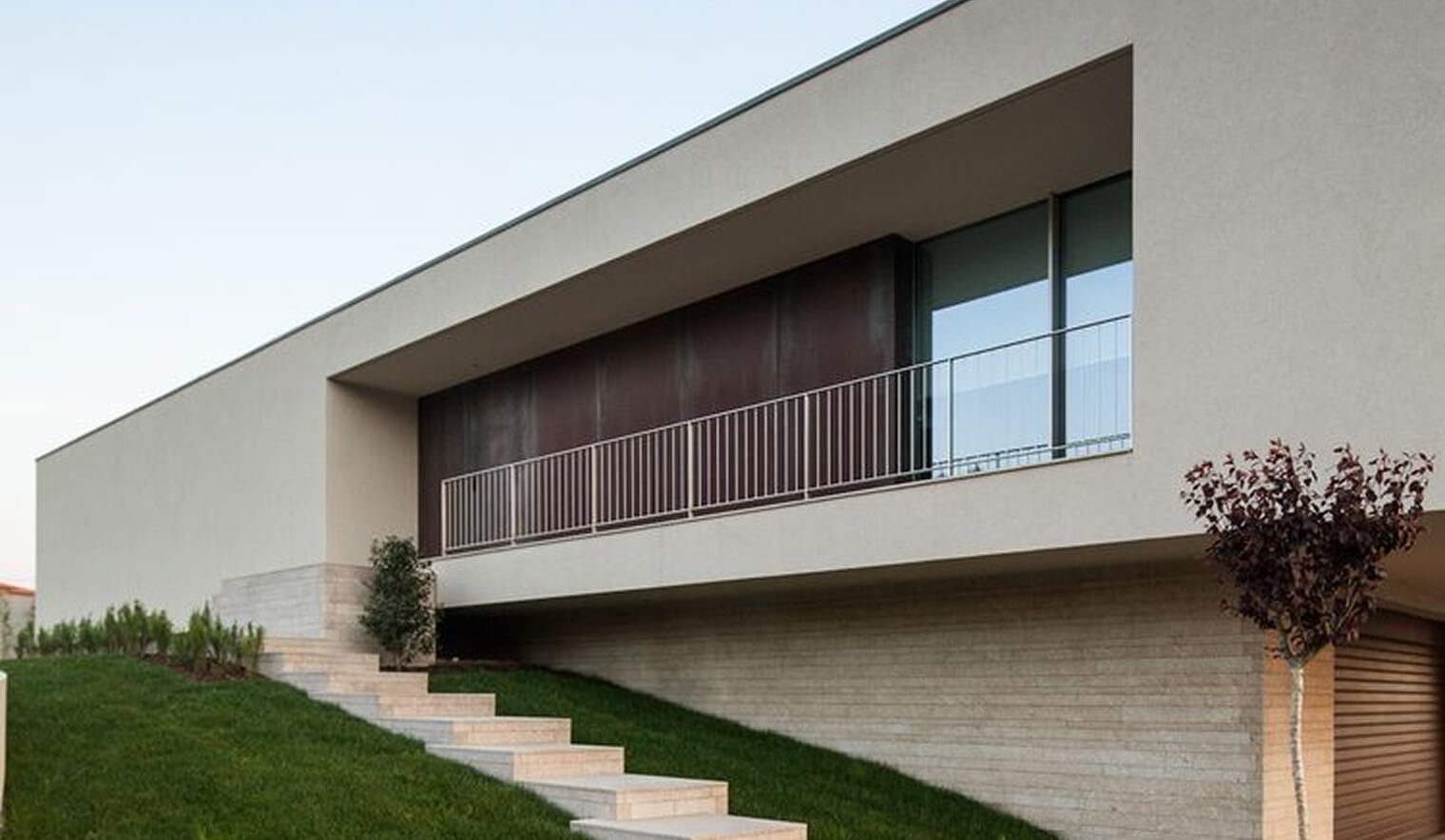
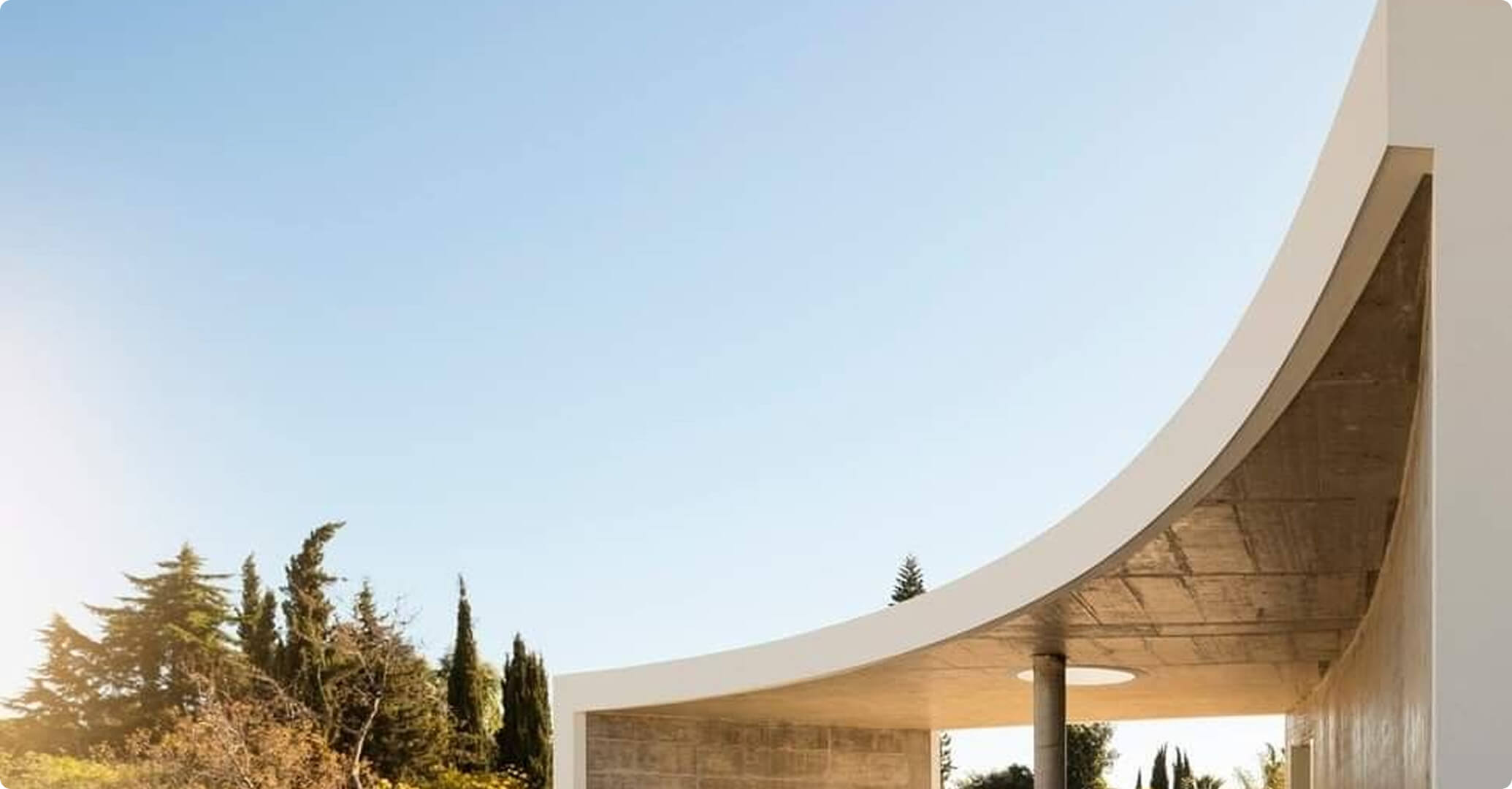
The fundamentals of architecture and design Emerging and evolving global trends Sustainable and smart practices shaping the future. Contemporary Minimalism Clean lines, natural light, and a “less is more” approach dominate residential and commercial architecture. Neo-futurism: Iconic, dramatic structures with a tech-forward identity. Think Zaha Hadid’s dynamic, curved facades. Adaptive Reuse: Converting old factories or churches into co-working spaces or urban lofts speaks to sustainability and cultural preservation.
Where Form Meets Function
Design is the soul of architecture. It determines not only what a space looks like, but how it feels and functions. Modern design is no longer just about beauty—it's about experience.
- Japandi Aesthetic:A fusion of Scandinavian functionality and Japanese rustic minimalism—calm, curated, and timeless.
- Multifunctional Spaces:Driven by remote work, homes now double as offices, gyms, or studios. Smart furniture and modular layouts are in demand.
- Natural Materials:Wood, stone, clay, and sustainable textiles are replacing synthetic and non-renewable materials.
- Color Trends:Earthy tones, muted greens, soft terracottas, and deep blues reflect a desire for calm and reconnection with nature.
“Staying ahead of design trends isn't just about being modern—it's about designing with purpose, conscience, and vision”.
Trends Reshaping the Industry
The design and architecture industries are not isolated from global forces. Economic shifts, climate change, technology, and social movements all leave their mark. Sustainability and Green Architecture Net-Zero Buildings: Structures that produce as much energy as they consume. Green Roofs & Living Walls: Enhance air quality, reduce urban heat, and promote biodiversity. Cross-Laminated Timber renewable alternative to concrete and steel. oT-enabled buildings that optimize lighting, temperature, and security. Augmented Reality (AR) in design visualization and walkthroughs. 3D-printed architecture for rapid, affordable, and customizable construction.
Conclusion
At the crossroads of creativity, engineering, and social responsibility, architecture and design reflect who we are and who we aim to be. Whether through sweeping structural innovation or the intimacy of a thoughtfully designed room, these disciplines are constantly being reshaped by new ideas and global shifts.